
In the video above, Jacqueline DuPont Carlson, shares a powerful perspective on what she calls compassion giving. Drawing from both professional insight and personal experience as a patient, she explains how true care goes far beyond completing tasks.
More Than Just Care
In today’s fast-paced healthcare and caregiving environments, it’s easy to focus on responsibilities. Medications must be administered, appointments must be kept, and activities of daily living must be completed. Of course, these duties matter deeply. But there is something even more transformative that shifts a person’s experience from simply being cared for to truly being seen and valued. That something is compassion giving.
What is Compassion Giving
Compassion giving goes beyond traditional caregiving. While caregiving focuses on essential tasks like bathing, mobility, medication, and other activities of daily living, compassion giving focuses on the emotional experience behind those tasks.
It happens when a caregiver:
- Takes time to listen
- Shows empathy and connection
- Treats them with dignity and respect
- Offers small acts of kindness that brighten their day
It might be helping someone fulfill a small dream, writing a thoughtful note, or simply sitting and listening to their story. These moments may seem small, but they carry enormous impact.
It’s not about doing more. It’s about being more present.
The Difference Between Caregiving and Compassion Giving
There are many exceptional caregivers, nurses, and med techs who do outstanding work every day. Their skills save lives and improve comfort. Technical excellence absolutely matters. However, there is a clear difference between those who perform caregiving duties and those who practice compassion giving.
The difference isn’t in how efficiently a task is completed. It’s in how a person is made to feel. Small acts of kindness go a long way.
Why Compassion Giving Matters
When someone is ill, aging, or vulnerable, they are not just experiencing physical challenges. They are often facing fear, uncertainty, and loss of independence. In those moments, dignity becomes priceless.
Research continues to show that empathy and connection improve emotional well-being and patient experience. Beyond statistics, there’s a simple truth: kindness changes everything.
Compassion giving transforms healthcare environments from clinical spaces into healing spaces.
Small Acts, Big Impacts
One of the most powerful aspects of compassion giving is that it doesn’t require grand gestures. It lives in small, intentional actions:
- Remembering someone’s favorite hobby
- Celebrating a small milestone
- Sitting at eye level
- Listening without rushing
- Offering encouragement on a hard day
These moments don’t add hours to a shift, they add meaning to someone’s life.
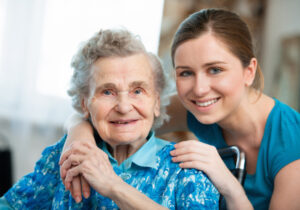
Even a sincere smile can shift the emotional atmosphere of a home care visit.
We All Deserve Compassion Giving
At some point in life, everyone will need help. In those moments, we deserve more than efficiency. We deserve caregivers who not only complete tasks but also connect heart to heart. Compassion giving reminds us that healthcare is not just about procedures, it’s about people.
In the end, compassion giving isn’t complicated. It’s about empathy, listening, dignity, and about offering even the smallest bit of goodness when someone needs it most.
Looking for more than just caregiving for your loved one?
Our team practices compassion giving, delivering not only expert support, but genuine connection, dignity, and kindness every single day.
Contact us today to create a personalized care plan that helps your loved one thrive with independence, health, and confidence.